

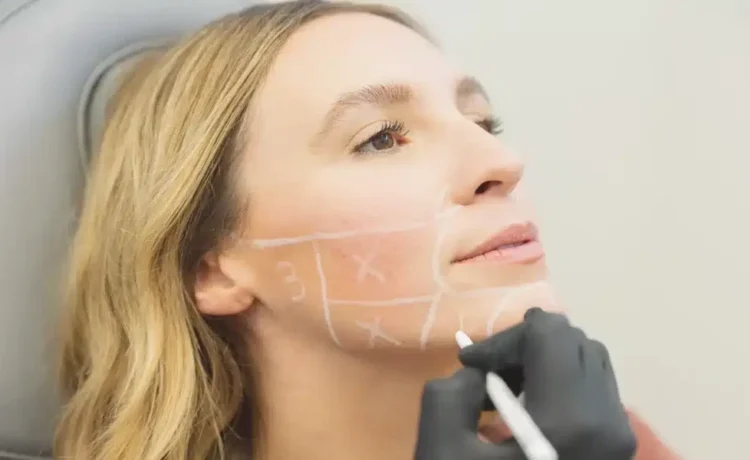
The promise of a rejuvenated face or a more sculpted body, without the telltale artificiality of overfilled cheeks or lips, is transforming the world of cosmetic treatments. As patients search for subtlety and longevity, non-surgical volume restoration options like Poly-L-Lactic Acid (PLLA), known commercially as Sculptra®, have surged in popularity. But can these biostimulant injectables truly edge out traditional fillers for natural-looking, durable results?
The Rise of Non-Surgical Volume Restoration: Setting the Stage
Aging is more than wrinkles; it’s about losing volume where it matters most. While hyaluronic acid (HA) fillers once dominated, concerns about short-lived results and the risk of overcorrection have fueled demand for alternatives. Enter PLLA, with its gradual, regenerative approach that rebuilds from within, not just fills from the outside.
Understanding the Limitations of Traditional Fillers
Quick fixes have their appeal, but HA fillers typically last 6 to 12 months before fading. Repeated treatments can lead to unnatural contours and even the notorious “pillow face.” Moreover, HA fillers don’t address underlying collagen loss, which means they only mask the symptoms of aging without targeting its root cause.
Introduction to PLLA and Its Unique Mechanism
PLLA, derived from fruit acids and approved for aesthetic use since 1999, works differently. Instead of just filling space, it acts as a scaffold for new collagen production. The Clinique Anti Aging Scultpra treatment exemplifies how practitioners now use this method to target deep tissue volume loss, stimulating the body’s own regenerative processes for natural, lasting improvement.
Case Study 1: Facial Volume Restoration with PLLA
Imagine a patient in her early fifties, noticing deepening cheek hollows and a loss of skin firmness. Assessment reveals moderate age-related fat loss across the midface. The treatment plan involves two to three PLLA sessions spaced a month apart. Initially, the patient sees a temporary plumping effect as injected water is absorbed, but true transformation unfolds slowly. Over the next several months, newly produced collagen lifts and firms the skin.
What stands out is the subtlety. Instead of obvious swelling, the patient’s face regains youthful contours, and the skin appears denser and more elastic. The result is a refreshed look that friends notice as “rested” rather than “done.”
Case Study 2: Body Contouring and Volume Enhancement
The power of PLLA stretches beyond the face. For patients disappointed by flatness or laxity in the buttocks, the “Sculptra Buttocks Lift” offers a non-surgical alternative to implants or fat transfers. One patient, post-liposuction, sought to improve both volume and cellulite. Three sessions, each a month apart, led to smoother contours and improved skin texture. Satisfaction grows over time, as PLLA’s support for collagen remodeling means results not only last but often improve months after the final injection.
Comparing PLLA with Traditional Hyaluronic Acid Fillers
The debate comes down to outcomes, risks, and maintenance. Consider these key differences:
| Feature | PLLA (Sculptra) | Hyaluronic Acid (HA) Fillers |
|—————————|———————–|——————————-|
| Duration of Results | Up to 2 years | 6-12 months |
| Mechanism | Collagen stimulation | Direct space filling |
| Number of Sessions | 2-3 sessions | 1 session |
| Appearance | Gradual, natural | Immediate, risk of overfill |
| Risk of Overfilled Look | Low | Higher |
| Maintenance | Yearly touch-ups | More frequent |
While both options are generally safe, PLLA requires a skilled injector to avoid nodules or unevenness. HA fillers are reversible, which some patients appreciate for peace of mind.
The Science Behind PLLA: Collagen Stimulation and Skin Rejuvenation
PLLA’s track record in medical applications is long, backed by decades of use. Once injected, it goes through distinct phases: an initial plumping from the carrier water, followed by the slow action of PLLA particles spurring the body’s fibroblasts to produce collagen. This process can continue for months, with skin gradually becoming firmer and more resilient.
Patients with more significant volume loss or advanced age may require additional sessions, as the body’s ability to regenerate collagen naturally decreases over time.
Practical Considerations and Patient Selection
Not everyone is the ideal candidate for PLLA. It works best for patients seeking subtle, pervasive improvement rather than dramatic, immediate volume. Those with autoimmune conditions, active infections, or unrealistic expectations should approach with caution. Body applications remain off-label in Canada, emphasizing the need for informed consent and experienced providers.
Future Directions and Innovations in Non-Surgical Volume Restoration
The future is already unfolding. New techniques are expanding PLLA’s use into areas like arms and abdomen, with ongoing research for even more refined formulas. Combining PLLA with energy-based devices or other injectables could push the boundaries of non-surgical rejuvenation further, blending subtlety with precision.
Conclusion: Can Non-Surgical Volume Restoration Replace Traditional Fillers?
It’s not about replacement, but evolution. For patients prioritizing longevity, subtlety, and natural restoration, non-surgical volume restoration with PLLA offers compelling benefits over traditional fillers. Success stories from facial rejuvenation and body contouring reveal a clear trend toward regenerative techniques that build beauty from within. The Clinique Anti Aging Scultpra treatment stands as an example of this new standard, personalized, long-lasting, and refreshingly real.
Ultimately, the choice depends on individual needs, preferences, and goals, but the era of simply “filling” may soon give way to one of true regeneration.