

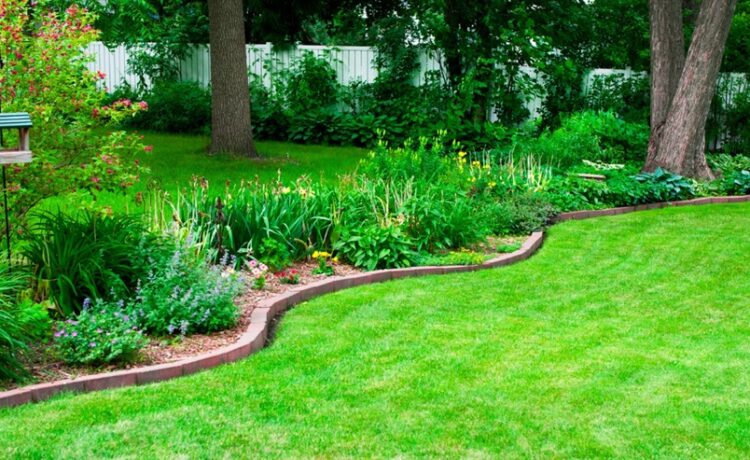
Managing water flow around your home is critical, not just for curb appeal but also for protecting your property’s foundation and landscape. A landscape drainage system in Alpharetta, having a reliable drainage system in place, can save you thousands in repairs while preserving the beauty of your yard.
Within the first 100 words, it’s essential to recognize that effective drainage strategies don’t just solve current water issues—they proactively prevent future damage and environmental degradation.
Why Landscape Drainage Should Be a Priority
Yard drainage is more than a cosmetic concern. Improperly directed water can lead to soil erosion, foundation weakening, mold growth, and plant decay. It can also contribute to dangerous icy patches during colder months and unsightly pooling during rainstorms.
Homeowners who understand how landscaping impacts home drainage and sewer systems are better equipped to make strategic choices about grading, vegetation, and water redirection. Proper planning ensures that your landscape not only thrives aesthetically but functions effectively to manage stormwater runoff.
This includes thoughtful placement of drains, sloping, and even the types of ground cover you use—all of which influence how water travels across your property.
Proven Strategies for Long-Term Landscape Drainage
Creating a long-lasting and efficient drainage solution requires a mix of planning, experience, and professional input. Below are some core methods used to manage excess water in residential landscapes:
- French drains and catch basins: These underground systems help collect and redirect excess water safely away from foundations and walkways.
- Grading and slope correction: Proper grading ensures water flows away from structures instead of pooling near them.
- Swales and dry creek beds: These natural or artificial depressions collect water and direct it to designated drainage zones.
- Permeable surfaces: Walkways and patios made of porous material allow water to pass through instead of running off.
The goal of these strategies is not only to address immediate drainage concerns but also to create a system that complements the natural topography of your property.
The Environmental Side of Landscape Drainage
While protecting your property is vital, drainage systems also have an environmental role to play. Poor drainage contributes to sediment runoff, water pollution, and the breakdown of native vegetation.
Homeowners who understand the impact of erosion on landscapes and environments can make smarter decisions that minimize long-term ecological damage. For example, integrating native plants with deep root systems helps stabilize soil and manage moisture levels naturally. Moreover, reducing hard surfaces and enhancing green cover can mitigate the urban heat island effect and promote biodiversity.
Incorporating eco-conscious drainage features like rain gardens or bio-swales allows you to support local ecosystems while enhancing the utility and appearance of your landscape.
Conclusion
A well-thought-out landscape drainage system is an essential part of responsible homeownership. In areas like Alpharetta, where changing weather conditions and varied terrain are common, having the right strategies in place can prevent costly issues down the line. From correcting grading to using erosion-resistant materials, the solutions are as varied as the landscapes they protect.
Ultimately, by prioritizing proper drainage, homeowners can ensure their properties remain functional, beautiful, and environmentally sound—season after season.