

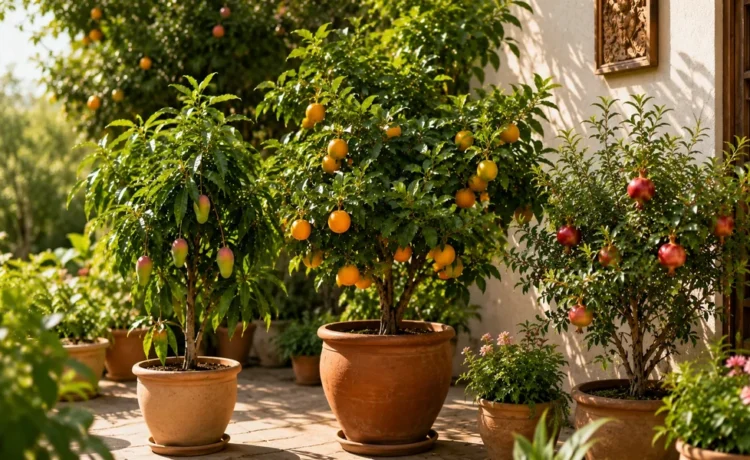
A fruit tree is rarely successful because it was chosen quickly. It succeeds because the gardener reads the site first, understands how the soil behaves, and gives the mature tree enough room to become useful rather than awkward. That is especially true in British gardens, where one plot can contain heavy clay, a dry fence line, a windy corner, and a sheltered patio within a few metres of each other.
The most satisfying choice is not always the tree that sounds most tempting in a catalogue. It is the tree that fits the conditions already present, crops at a useful time, and can be reached for watering, pruning, thinning, and harvesting. When soil and space lead the decision, the tree becomes part of the garden’s structure instead of a hopeful addition that asks for constant correction.
Before choosing a variety, fruit tree specialists from https://www.fruit-trees.com/ urge gardeners to consider the ground and the tree’s final size. Once the tree is established, access, light, drainage, and soil texture determine whether the planting feels stable or challenging. A gardener should visualise the mature spread, the path to the tree with a watering can, and the pruning area surrounding it while making soil-led decisions. This pragmatic check keeps the purchase rooted in the actual garden rather than a fleeting frenzy.
From that point, the choice becomes less about finding the most impressive tree and more about matching plant, position, and routine. The gardener who treats the site as the brief can compare options with a cooler eye, noticing whether each choice supports daily care, seasonal interest, and the kind of harvest that will actually be used. That steadier judgement is what turns a promising order into a tree with a believable future in the garden.
Read the Soil Before the Variety
Soil is the quiet decision-maker in any fruit planting. A tree growing in moisture-retentive clay faces different pressures from one planted in a free-draining raised bed or a light border beside a warm wall. Gardeners gain more from a simple site reading than from trying to force a favourite variety into the wrong ground. Texture, drainage, summer dryness, winter wetness, and previous planting all help shape the sensible shortlist.
The common mistake is to treat soil as a problem to fix after the tree arrives. A better method is to observe where water lingers after rain, where the surface cracks in dry spells, and where existing plants look settled without fuss. That reading points towards the right rootstock, planting preparation, and aftercare before money is spent.
Winter and early spring reveal soil behaviour especially clearly because the garden is less disguised by leafy growth. Good planting preparation then becomes measured rather than dramatic: improve structure, avoid compaction, and let the tree root into conditions it can sustain. The result is a calmer start and a tree that is less likely to struggle through its first two seasons.
A practical way to use this check is to treat read the soil before the variety as a decision point rather than as background information. The gardener can stand in the intended position, imagine the tree in leaf, and ask whether the same choice still feels sensible after several wet winters and dry summers. That simple pause often reveals whether the plan is genuinely robust or merely attractive while the tree is still young.
The most useful habit is to write down the answer to read the soil before the variety before comparing varieties. A short note about soil, light, shelter, or access gives the gardener something concrete to return to when the shortlist becomes tempting. It keeps the decision anchored in the garden rather than in a moment of preference.
If the answer to read the soil before the variety feels vague, the gardener should revisit the site before narrowing the tree choice. A clear answer at this stage prevents a string of small compromises later.
Choose Rootstock for the Space You Actually Have
Rootstock is often less glamorous than blossom or variety name, yet it controls much of the finished tree. It affects vigour, mature height, cropping behaviour, and how much pruning the gardener must do to keep the tree in proportion. A small garden does not automatically need the smallest possible tree, but it does need a form that can be maintained without becoming cramped. Thinking about rootstock early prevents a practical border from turning into a long-term negotiation with branches.
The risk is choosing for immediate neatness while ignoring the mature framework. A tree that looks modest on planting day can become dominant if the rootstock is too vigorous for its place. Equally, a very restricted tree can disappoint if the gardener expected fast shade, generous crops, or a strong visual presence.
The best decision balances patience with ambition. A patio, lawn edge, productive bed, or boundary line can all support fruit trees when the final shape is realistic. Watering, mulching, and formative pruning are easier when the gardener can stand around the tree rather than reach across crowded planting. That physical ease matters because routine care is what turns a promising young tree into a reliable part of the garden.
This is where choose rootstock for the space you actually have becomes part of long-term maintenance. Fruit trees reward gardeners who make ordinary care easy, because watering, pruning, checking ties, and watching growth all depend on repeated access. A choice that looks slightly more measured at the start often becomes the more generous choice later, because the tree is easier to manage and less likely to need correction.
That is why choose rootstock for the space you actually have belongs near the start of the decision, not at the end. Once the tree has arrived, compromises become harder to avoid. Before the order is placed, the gardener can still change form, position, timing, or fruit type without losing a season.
If choose rootstock for the space you actually have points towards a smaller, simpler, or better placed tree, that should be treated as useful guidance rather than a disappointment. A realistic tree is usually the one that lasts.
Give Access as Much Weight as Appearance
Access sounds ordinary, but it shapes daily success more than many decorative choices. A tree may look perfect on a plan and still be difficult if the gardener cannot reach it for watering, tying, thinning, summer pruning, or harvesting. This matters in narrow side gardens, deep borders, and family gardens where paths, furniture, bins, play space, and washing lines already compete for room. The tree should earn its place without making ordinary movement harder.
The risk is planting in the only empty spot rather than the best workable spot. A position at the back of a border may seem efficient, yet it can make fruit picking awkward and pruning irregular. If the tree needs a ladder, a step, or repeated stretching while young, it may be ignored when life gets busy.
Planning access before planting is a form of future kindness. The most practical gardens treat the route to the tree as part of the design. Leave enough space for a mulch ring, a watering routine, and a clear view of the framework in winter. A tree that can be reached easily is more likely to be observed, adjusted, and enjoyed rather than left to become a problem.
For UK gardeners, give access as much weight as appearance should also be read through weather rather than through ideal conditions. A tree has to cope with cool springs, sudden dry spells, gusty boundaries, and the way light changes across the season. When that ordinary weather is part of the decision, the chosen tree is less dependent on luck and more connected to the site it will actually inhabit.
A second look at give access as much weight as appearance also helps separate real limits from imagined ones. Some gardens look too small until a trained or compact form is considered, while other gardens look generous but have awkward shade or exposure. The best choice comes from that more honest reading.
If give access as much weight as appearance reveals a weakness in the site, the gardener still has options. Position, form, timing, and variety can often be adjusted before the tree is ordered.
Connect the Crop to Household Use
Fruit choice should be linked to how the household will actually use the crop. A dessert apple, cooking pear, plum, cherry, or apricot has a different place in the calendar and a different role in ordinary meals. Some gardeners want a small amount of fresh fruit for picking as it ripens, while others want varieties that suit preserving, baking, or sharing. The best tree is the one whose harvest has a purpose beyond the idea of having fruit.
The risk is choosing a crop because it sounds abundant without thinking about storage, picking windows, or appetite. A heavy crop at the wrong time can become wasteful, while a modest crop that arrives when the household uses it can feel much more successful. The garden should support habits that already exist or that the gardener genuinely wants to build. A useful moment to buy fruit trees is after the gardener has tested the idea against the site, not while the plan is still only a hopeful picture of blossom and fruit.
Seasonal rhythm also matters because crops arrive alongside school terms, holidays, weather changes, and busy household weeks. Care is easier when the gardener knows why the fruit matters and what will happen after it is picked. A tree selected around real use is more likely to be valued through pruning, feeding, mulching, and patient establishment.
The value of connect the crop to household use is clearest when the gardener thinks beyond planting day. A young tree is easy to admire, but the established tree must be watered, shaped, harvested, and lived with. If the choice still feels practical after that future has been imagined, the planting has a stronger chance of becoming a settled feature rather than a hopeful experiment.
Thinking this way keeps connect the crop to household use connected to use rather than theory. The tree is not being chosen for a label, a photograph, or a single attractive feature. It is being chosen for the way it will grow, crop, and fit into ordinary gardening over time.
If connect the crop to household use confirms the original plan, the gardener gains confidence for the right reason. The choice has been tested against use, care, and the way the garden really behaves.
Make Establishment Easy to Maintain
The first two years ask for steady attention rather than complicated intervention. A newly planted fruit tree needs watering in dry spells, a clear mulch area, a firm stake where appropriate, and enough observation to spot stress early. These tasks are simple, but they only happen reliably when the tree is placed where the gardener can include it in normal routines. A good selection makes aftercare feel manageable rather than heroic.
The risk is underestimating establishment because the tree looks dormant or small. Roots need time to explore beyond the planting hole, and top growth can be misleading if the ground around the tree is dry or compacted. A gardener who prepares for ordinary care gives the tree a stronger chance of settling evenly.
Dry springs, sudden warm spells, and windy positions can all test a young tree before it has a wide root system. Mulching helps, but it is not a substitute for checking the tree during real weather. When care is built into the original decision, the tree is less likely to be neglected after the first flush of excitement.
Good decisions around make establishment easy to maintain also reduce waste. They prevent money, space, effort, and patience being spent on a tree that never quite fits. The aim is not to make the gardener cautious for no reason; it is to make the final choice feel deliberate, proportionate, and easier to support through the seasons when fruit trees prove their value.
When make establishment easy to maintain is handled well, aftercare becomes less mysterious. The gardener knows why the tree was placed there, what to watch, and which signs of stress deserve attention. That knowledge is often more useful than a complicated routine.
If make establishment easy to maintain changes the shortlist, the process has done its job. A better matched tree is worth more than a quick decision that needs correction after planting.
Let the Tree Fit the Garden as It Matures
A fruit tree should still make sense when it has outgrown its early neatness. Maturity changes the way it casts shade, frames a view, draws pollinators, and interacts with nearby planting. That longer view helps gardeners avoid decisions that look tidy for one season but become inconvenient later. The tree should have a role in the garden’s future, not just a place in the current gap.
The risk is treating maturity as a distant issue. Branches thicken, root systems spread, and pruning cuts become more important as the tree establishes. Thinking ahead allows the gardener to choose a form that remains attractive, productive, and reachable.
A changing garden also changes the tree’s job. It may start as a young feature, then become shade, structure, blossom, crop, and habitat. When the original choice respects that development, the tree feels like a settled part of the garden rather than a compromise that needs constant revision.
By the end of the process, let the tree fit the garden as it matures should help the gardener describe why this particular tree belongs in this particular place. That answer does not need to sound technical. It simply needs to connect site, care, crop, and long-term use in a way that feels believable. A tree chosen with that clarity is easier to plant well and easier to keep caring for.
This final judgement around let the tree fit the garden as it matures gives the article’s advice its practical edge. The strongest choices are rarely rushed. They are built from small observations that make the tree easier to plant, easier to understand, and easier to keep in good condition.
If let the tree fit the garden as it matures leaves the tree with a clear role, the final decision becomes easier to defend. The gardener knows what the tree is for and how it will be supported.