

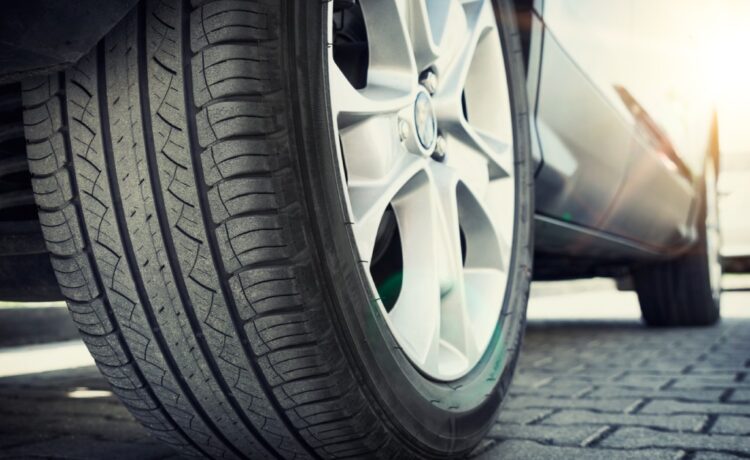
Rising fuel expenses push drivers toward smarter upgrades. Tire technology now plays a crucial role. Choosing wisely can significantly improve daily mileage. Reliable guidance from Pickyourtires supports informed vehicle decisions.
Lower Resistance Creates Noticeable Savings
Fuel efficient tires minimize friction against pavement surfaces. Reduced drag allows engines to work easier. Less effort directly translates into improved fuel economy. Drivers experience smoother motion during daily commutes.
- Optimized tread compounds reduce surface friction
- Lightweight construction decreases rotational energy demand
- Narrower profiles limit contact resistance
- Enhanced casing design supports steady rolling
Efficient rolling reduces unnecessary fuel consumption. Over time, savings accumulate through consistent performance. Vehicles maintain steady pace with less strain.
How Does Rolling Resistance Impact Fuel Usage?
Rolling resistance reflects the energy reduced as tires spin forward. Greater friction makes the engine consume additional fuel. That extra effort steadily raises overall fuel expenses. Reduced friction eases strain during acceleration and highway travel. Minor design refinements can deliver noticeable efficiency improvements. Recognizing this connection guides drivers toward smarter tire selections.
Design Elements That Enhance Efficiency
Manufacturers refine structures to improve economy. Advanced materials support durability without excess weight. Smart engineering balances grip and reduced drag. Attention to compound chemistry shapes overall performance.
- Silica blends improve grip efficiency
- Symmetrical tread patterns reduce drag
- Reinforced sidewalls maintain structural integrity
- Precision molding ensures uniform rotation
Thoughtful construction supports consistent road contact. Balanced tread improves stability at varied speeds. Efficient designs protect both performance and budget.
Can Fuel Efficient Tires Affect Handling Stability?
Drivers often question stability during upgrades. Modern designs maintain strong grip while reducing resistance. Improved compounds preserve traction during wet conditions. Steering response remains predictable across highways and cities. Balanced performance keeps safety uncompromised despite efficiency improvements.
Economic Benefits Beyond Fuel Economy
Cost advantages extend past fuel savings. Reduced engine strain lowers mechanical wear. Longer tread life delays replacement expenses. Drivers experience quieter travel during long journeys.
- Lower maintenance from reduced stress
- Extended tread durability supports longevity
- Quieter ride improves travel comfort
- Reduced emissions contribute cleaner driving
Efficiency creates practical financial advantages. Consistent performance preserves vehicle condition longer. Owners appreciate dependable operation over time.
What Should Drivers Consider Before Switching?
Vehicle compatibility deserves careful attention. Tire size must match manufacturer specifications. Road conditions also influence ideal selection. Consulting trusted sources like Pickyourtires clarifies suitable options. Comparing ratings ensures reliable efficiency expectations. Informed evaluation prevents performance compromises.
Selecting The Right Tire Grade
Every vehicle responds differently to upgrades. Efficiency ratings provide helpful comparison standards. Drivers should balance comfort with economy. Seasonal variations may affect overall traction needs. Consistent research supports confident purchasing decisions. Long term savings justify thoughtful selection.