

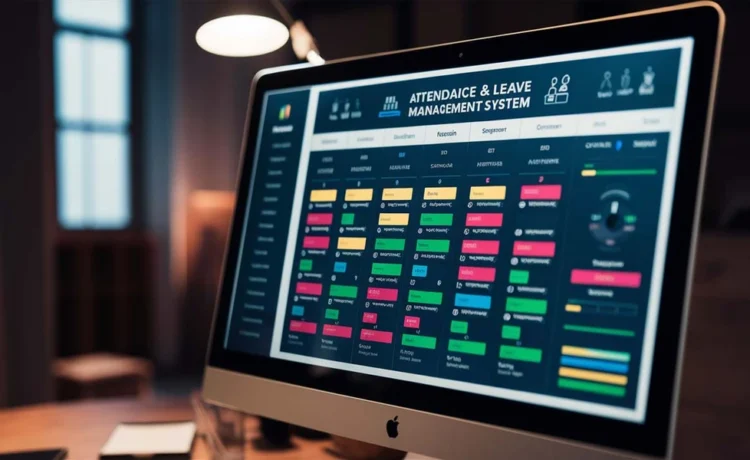
Absence records often create hidden workplace confusion. Missed updates affect schedules, payroll, and daily coordination. Small errors can trigger larger staffing issues. As teams expand, tracking requests becomes harder across departments. A reliable leave management system brings clarity, faster approvals, accurate records, and stronger workforce visibility without adding administrative pressure.
Why Do Employee Absences Become Difficult To Track?
Work schedules change faster than manual records. Leave requests arrive through emails, chats, and calls. Important details can disappear between conversations. Managers then spend valuable time verifying information. During busy periods, overlapping requests create planning challenges. Delayed updates may even affect payroll calculations or shift coverage decisions.
What Happens When Records Sit Across Multiple Sources?
Scattered information creates uncertainty across departments. One manager may approve leave instantly. Another may overlook an earlier request completely. Team leaders then face avoidable staffing gaps.
Key challenges include:
- Missed leave balance updates
- Approval trails become difficult
- Conflicting holiday requests emerge
- Payroll calculations require extra checks
- Workforce planning loses accuracy
How Does Technology Improve Administrative Control?
Modern platforms centralize absence information within one location. Employees submit requests through a shared portal. Approval histories remain accessible whenever verification becomes necessary. Calendar visibility helps supervisors identify coverage concerns before decisions occur.
Useful capabilities include:
- Instant balance visibility
- Mobile request submission
- Department-wide scheduling views
- Custom policy settings
Such features reduce confusion while improving accountability.
Can A Leave Management System Reduce Scheduling Conflicts?
Consider a customer service team before festive demand. Several representatives request identical dates simultaneously. Without clear visibility, staffing shortages may emerge quickly. A leave management system highlights conflicts before approval decisions occur. Managers can review department availability immediately, preserving operational continuity while maintaining fairness across teams.
Beyond Tracking, What Business Value Does Software Deliver?
Accurate absence records reveal workforce patterns over time. Recurring trends may highlight seasonal staffing needs. Leadership teams gain stronger forecasting data through organized reporting. Better information encourages smarter workforce decisions. Rather than searching spreadsheets repeatedly, administrators spend energy addressing broader operational priorities and employee experience improvements.
Quick Benefits At A Glance
- Faster request processing
- Cleaner compliance records
- Reduced administrative effort
- Stronger schedule visibility
- Better workforce forecasting
FAQs
Is leave management software suitable for small businesses?
Yes. Smaller organizations benefit from cleaner records, quicker approvals, and reduced administrative effort.
Can employees view remaining leave balances?
Most platforms provide real-time balance visibility through employee self-service access.
Does software help with policy enforcement?
Yes. Rules remain embedded within approval workflows and leave calculations.
Can managers access absence reports?
Reporting tools provide useful workforce insights and historical absence information.
Can leave policies differ across departments?
Yes, most platforms allow customized rules for separate teams, locations, or employee categories.
A Smarter Way To Handle Workforce Availability
A staffing gap discovered hours before coverage begins creates immediate pressure. Early visibility changes that outcome entirely. When managers can spot overlapping requests, review balances, and verify approvals from one place, absence management becomes a planning function rather than a daily administrative burden. The real advantage lies not within automation alone but within the confidence created by accurate workforce information.