

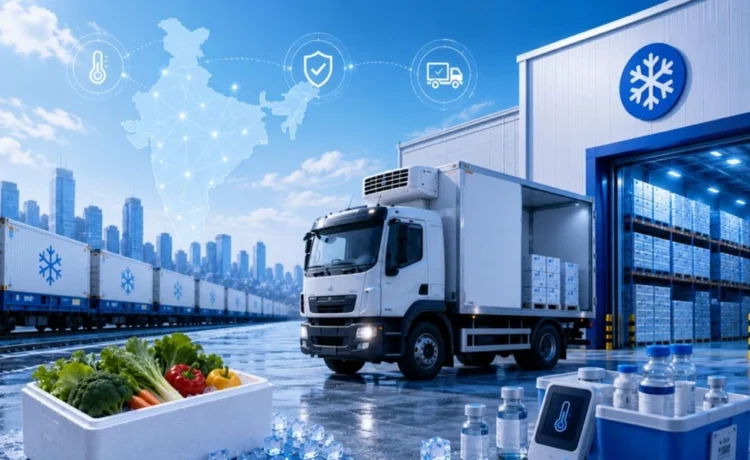
Choose a dependable partner by checking their temperature systems. Make sure they have real-time IoT monitoring that works. They should also meet all required rules and have a reliable fleet from start to end. This helps keep the product safe and in good shape.
Selecting the right 3PL (third-party logistics) provider for cold chain logistics management plays an essential role in keeping your product safe during the process of delivery. If you are shipping any perishable products, such as fresh or frozen foods, medicine, etc., even the slightest change in temperature will ruin all of them. That will not only increase expenses but also affect your brand image negatively. Using cold chain logistics ensures proper management and temperature control starting from the production to delivery stage.It’s crucial to consider a range of other factors apart from price when selecting a partner for your business. This guide will help you select the best fulfillment partner. It discusses the most important aspects to consider, technologies to use, and questions to ask before making a decision.1. Multi-Zone Temperature Infrastructure
Not all requiring proper temperature requirements are equal in their needs. It is possible that a particular cargo shipment will have some goods that require freezing, cooling, or storage at ambient temperatures. Some goods may also need to be stored at 2-8°C.
Facilities and Capabilities Required:
- Multi-Temperature Storage & Transport: You should seek out providers who operate modern reefer trucks and multi-temp warehouses with multiple compartment units.
- Pre-cooling Facilities: The practice requires that the cargo and container should be pre-cooled prior to the loading process in order to prevent the initial heat rise.
- Backup Power Systems: The facility should have automatic backup generators so that there would be no total loss of inventory due to the loss of power supply.
| Product Type | Typical Temperature Range | Essential Handling Feature |
|---|---|---|
| Deep Frozen Foods | -18°C to -25°C | Continuous sub-zero airflow |
| Pharmaceuticals & Vaccines | 2°C to 8°C | Strict thermal validation & GDP compliance |
| Fresh Produce & Dairy | 0°C to 4°C | Humidity control & ambient airflow |
| Ultra-Cold Biologics | -70°C to -80°C | Dry-ice integration & specialized freezers |
2. Advanced IoT Monitoring & Real-Time Data Visibility
Legacy cold shipping used manual loggers. People could read them only after the delivery got there. Modern supply chains need full and ongoing updates. They want to spot temperature changes right away before the cargo goes bad.
[Sensors / IoT Data Loggers]
│
▼
[Cellular / GPS Telematics Hub]
│
▼
[Cloud Control Tower & Real-Time Alerts]
│
▼
[Immediate Corrective Action / Driver Notification]
The partner will be one who makes use of sensors through the IoT technology. The sensors will continuously stream the real-time information, such as the current location of the truck, temperature, humidity, and times when doors have been opened. This will be done through automated notifications.3. Strict Regulatory Compliance and Quality Standards
When you move health and food products, the rules must be followed closely. If there is one spot where things are not in order or not written down, your shipment may not get accepted. This can also mean fines from those who make the rules.
Essential Certifications & SOPs:
- Good Distribution Practice (GDP): This makes sure quality management systems work well for medical and pharmaceutical goods.
- HACCP & BRCGS Standards: These food safety certificates show clean handling and stop contamination.
- Audit Trails: The partner must give digital logs with time and temperature records for every mile when the goods travel. These help get ready for audits.
4. End-to-End Integration and Network Reach
Fragmented supply chains bring more risk. When one company takes care of cold storage, another moves goods for long distances, and a third brings them to the end, the places where goods change hands can easily have temperature jumps.
Choosing an integrated partner with end-to-end coverage helps cut down on extra steps. This means you have one team to be in charge, making things easier. It also helps make plans outside of the office smoother. Be sure their routes fit your main markets and that they can handle more or fewer orders, like during busy times.
Conclusion
Choosing the right partner is an important business choice. It can shape the quality of your products, the way you meet rules, and the trust you get from your customers. When you focus on having good multi-temperature set-ups, clear proof that rules are followed, and real-time updates, you help protect your business from lost products. Putting effort into a strong cold chain logistics plan can help make your supply chain better and support your business for many years.